
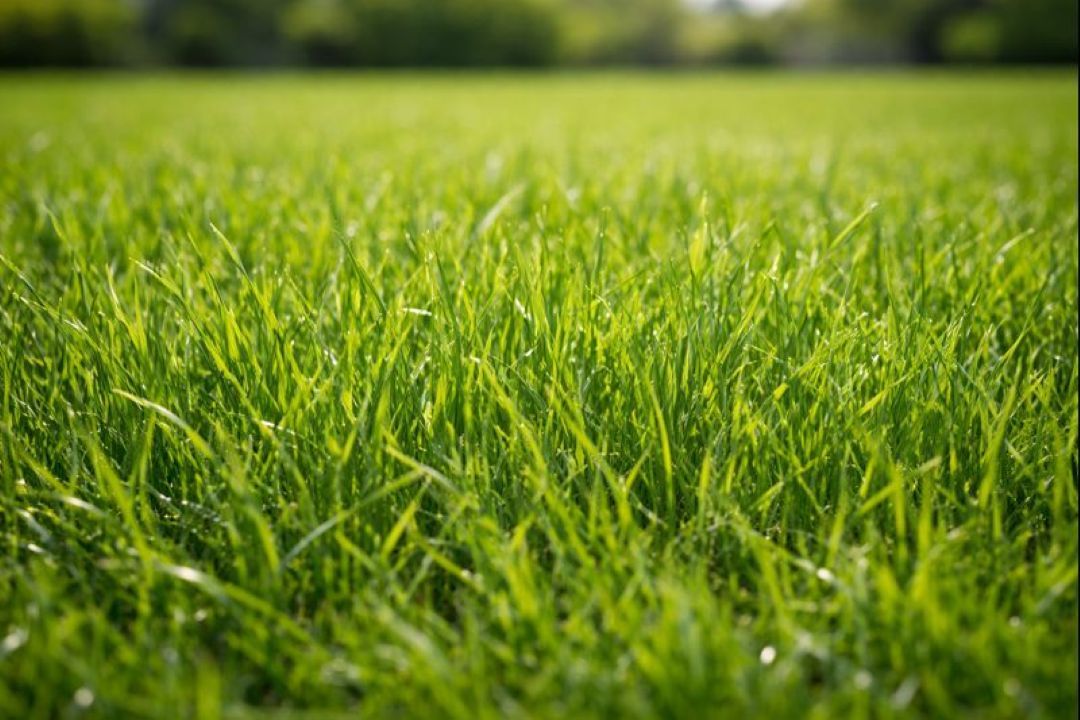
Tall fescue grass offers strong roots, rich color, and better heat tolerance than many other cool-season lawns, making it a smart choice for many Los Angeles properties in 2026.
Homeowners who want a durable lawn that handles sun, foot traffic, and moderate drought often choose this grass type for long-term performance.
Unlike shallow-rooted grasses, tall fescue develops deep roots that help it survive dry spells. According to the University of California Agriculture and Natural Resources (UC ANR), turf-type tall fescue varieties show improved drought resistance compared to older cool-season grasses.
That means fewer brown patches and less stress during warm months. This guide explains how to install it correctly, what it costs, and how to keep it thriving in Southern California conditions.
Why Homeowners Choose Tall Fescue for Los Angeles Lawns
Tall fescue stands out for strength and adaptability. It performs well in areas with both sun and light shade. That flexibility makes it popular in many Los Angeles neighborhoods.
One major benefit is its deep root system. Roots often grow 2 to 3 feet deep under healthy conditions. Deep roots help the lawn draw moisture from lower soil layers. This improves drought tolerance.
UC Davis turf research notes that turf-type fescue blends provide better heat performance than traditional cool-season grasses like Kentucky bluegrass. While it is not a warm-season grass, it handles moderate heat better than many expect.
Homeowners also like its texture. Modern turf-type varieties offer:
- Dark green color
- Fine leaf blades
- Strong wear resistance
- Good recovery after foot traffic
For families with kids or pets, durability matters. Tall fescue offers year-round coverage with fewer bare spots.
Preparing the Soil Before Installation
Strong lawns start below the surface. Soil preparation plays a huge role in success.
Los Angeles soil often contains clay. Clay holds water but drains slowly. Without proper preparation, roots may struggle.
Start by clearing old grass and debris. Then loosen the soil to at least 4 to 6 inches deep. This improves drainage and root growth.
A soil test is helpful. Many local extension programs recommend testing pH before planting. Tall fescue prefers a pH between 5.5 and 7.5. Adjust soil if needed with lime or sulfur.
Add organic compost to improve structure. Compost helps clay soil drain better and supports root development.
Level the ground carefully. Uneven areas cause water pooling. Standing water can weaken roots and lead to disease.
Good preparation reduces long-term maintenance. It also supports efficient irrigation and water conservation.
Tall Fescue Grass Installation Methods
Tall fescue grass can be installed by seed or sod. Both methods work well when done correctly.
Seeding costs less upfront. However, it requires patience. Germination usually takes 7 to 14 days. Full establishment may take several months.
Sod provides instant results. Many homeowners prefer sod for faster curb appeal and reduced erosion risk.
Seeding Process
- Spread seed evenly using a broadcast spreader.
- Lightly rake to cover the seed with soil.
- Apply starter fertilizer.
- Water lightly and frequently until sprouts appear.
Sod Installation
- Lay sod tightly with no gaps.
- Stagger seams like brickwork.
- Roll sod to remove air pockets.
- Water deeply right after installation.
According to Purdue University Turfgrass Science, proper seed-to-soil contact improves germination rates significantly. For busy homeowners, professional sod installation often provides more reliable results.
Watering and Irrigation for Healthy Growth
Water management is critical, especially in Southern California’s dry climate.
During establishment, tall fescue needs consistent moisture. For seeded lawns, light watering several times daily keeps the soil damp. Once established, reduce frequency and increase depth.
Deep watering encourages deep roots. This strengthens drought tolerance and reduces water waste.
The EPA recommends watering lawns early in the morning to reduce evaporation. Avoid watering at night to prevent fungal issues.
After establishment, most tall fescue lawns need about 1 to 1.5 inches of water per week. Adjust for rainfall and seasonal heat.
Smart irrigation controllers help manage watering schedules. These systems improve efficiency and prevent overwatering.
Balanced watering supports healthy growth without encouraging shallow roots.
Maintenance Tips for Long-Term Lawn Health
A strong installation sets the foundation. Ongoing care keeps the lawn thick and green.
Mow tall fescue at 3 to 4 inches. Taller grass shades the soil and reduces evaporation. It also helps crowd out weeds.
Fertilize during active growth periods. Early spring and fall are ideal. Avoid heavy summer fertilizing during extreme heat.
Aeration once per year helps reduce soil compaction. Compacted soil limits root growth and water absorption.
Watch for common issues like:
- Brown patch disease
- Overwatering
- Thatch buildup
The University of Maryland Extension notes that proper mowing height reduces stress and improves disease resistance.
Regular inspections keep small problems from growing into large repairs.
Frequently Asked Questions
Q1. Is tall fescue good for hot Los Angeles summers?
Yes, when properly watered. Tall fescue has deeper roots than many cool-season grasses. This helps it handle moderate heat. However, it still needs consistent irrigation during extreme heat waves.
Q2. How long does tall fescue take to establish?
Seeded lawns usually sprout within two weeks. Full establishment may take two to three months. Sod establishes faster, often within two to three weeks with proper watering.
Q3. Does tall fescue require a lot of water?
It requires moderate water compared to other cool-season grasses. Deep, infrequent watering improves drought tolerance. Smart irrigation systems help manage water use efficiently.
Q4. Can tall fescue handle heavy foot traffic?
Yes. Turf-type varieties are bred for durability. They recover well from moderate wear. However, extreme traffic may still cause thinning over time.
Q5. Should I choose seed or sod?
Seed costs less but takes longer. Sod provides instant results and reduces erosion. Your choice depends on timeline, budget, and yard conditions.
Conclusion
Tall fescue grass delivers durability, rich color, and reliable performance for many Los Angeles properties. With proper soil preparation, smart irrigation, and regular care, it creates a lawn that handles sun, foot traffic, and seasonal stress. Choosing professional installation protects your investment and ensures long-term success.
For homeowners who value expert craftsmanship, RototillerGuy brings over 25 years of hands-on experience and more than 500 local reviews. With deep knowledge of lawn installation, landscaping, and sprinkler services.
RototillerGuy provides reliable, high-quality outdoor transformations. When you’re ready to upgrade to tall fescue grass, trust proven expertise for results that last.