
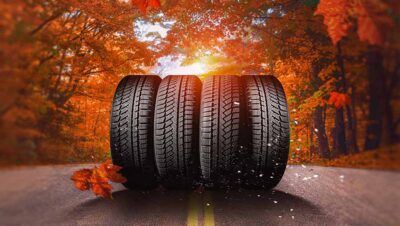
Choosing the right tires is an important part of maintaining a vehicle's safety, performance, and reliability. Tires influence everything from braking distance and road grip to fuel efficiency and driving comfort. However, many drivers only think about their tires when they notice visible wear or experience a problem. Taking a more proactive approach can help prevent unexpected issues and make everyday driving more predictable. Understanding available tire services Mississauga, knowing when to replace tires, and working with a dependable provider can make vehicle maintenance much easier.
Why Quality Tires Matter for Everyday Driving
Tires are the only parts of a vehicle that maintain direct contact with the road. Their condition affects how effectively a car accelerates, turns, and stops. Even a well-maintained vehicle may struggle to perform properly if its tires are worn, damaged, or unsuitable for driving conditions.
Good-quality tires provide consistent traction and help maintain stability during sudden braking or changes in direction. They also contribute to a smoother ride by absorbing some of the impact from uneven road surfaces.
Selecting appropriate tires is not simply about choosing a familiar brand or finding the lowest price. Drivers should consider their vehicle type, driving habits, climate, and typical road conditions. These factors help determine which tire specifications and features are most suitable.
Understanding Different Types of Tires
Not every tire is designed for the same purpose. Manufacturers develop different tire categories to meet specific driving requirements.
All-Season Tires
All-season tires are designed to provide balanced performance across various moderate weather conditions. They are a practical option for drivers who want a versatile tire without changing sets throughout the year. However, their performance in severe winter conditions may not match that of dedicated winter tires.
Winter Tires
Winter tires use specialized rubber compounds and tread patterns designed to maintain flexibility and improve traction in cold temperatures. Their grooves and biting edges help provide better grip on snow-covered and icy roads.
Drivers who regularly encounter harsh winter conditions should consider dedicated winter tires rather than assuming all-season options offer equivalent protection.
Summer Tires
Summer tires are developed for warmer conditions. Their tread designs and rubber compounds support responsive handling, braking, and traction on dry and wet roads during warmer months. They are not intended for freezing temperatures or snowy conditions.
Understanding these differences makes it easier to select tires that match both seasonal requirements and individual driving needs.
When Should You Consider Replacing Your Tires?

Tires gradually lose performance through regular use. Although their appearance may seem acceptable at first glance, certain warning signs indicate that replacement or professional inspection may be necessary.
Common indicators include:
- Low tread depth: Worn tread reduces the tire's ability to maintain traction, particularly on wet surfaces.
- Visible cracks: Rubber deterioration can create cracks along the sidewalls or between tread blocks.
- Uneven wear: Differences in tread depth may indicate alignment, inflation, or suspension problems.
- Frequent pressure loss: Repeatedly losing air could suggest a puncture, damaged valve, or other issue.
- Unusual vibrations: Persistent vibration while driving may indicate tire damage, imbalance, or another mechanical concern.
Drivers should inspect their tires regularly rather than waiting for a noticeable performance problem. A professional assessment can help determine whether a repair is possible or a replacement is the safer option.
The Importance of Professional Tire Services
Tire maintenance involves more than removing an old tire and installing a new one. Proper installation, balancing, inspection, and inflation all contribute to vehicle performance.
Professional tire services can help identify problems that might otherwise go unnoticed.
Tire Installation and Replacement
Correct installation ensures that tires are mounted securely and meet the vehicle manufacturer's specifications. Incorrect installation can contribute to handling problems, uneven wear, and unnecessary stress on vehicle components.
Tire Balancing
Wheel balancing distributes weight evenly around the wheel and tire assembly. When wheels are unbalanced, drivers may experience vibrations, particularly at higher speeds. Proper balancing helps improve ride comfort and supports even tire wear.
Tire Rotation
Tire rotation involves changing the positions of tires according to an appropriate pattern. Because front and rear tires can experience different levels of wear, regular rotation helps promote more consistent tread life.
Tire Pressure Checks
Maintaining the recommended tire pressure is essential for safe and efficient driving. Underinflated tires can generate excess heat and wear, while overinflation may reduce the contact area between the tire and road. Checking pressure regularly helps maintain the intended performance of the tires.
How to Choose a Dependable Tire Provider
Finding the right tire provider can make vehicle maintenance more convenient. Drivers should look beyond product pricing and consider the overall quality of service.
Start by checking whether the provider offers tire options compatible with the vehicle's specifications. A knowledgeable team should be able to explain differences between tire categories, tread patterns, and performance features without making the selection process unnecessarily complicated.
Service quality is another important consideration. Clear communication, proper installation practices, and guidance about ongoing maintenance can help drivers make informed decisions.
For those comparing available options and tire-related services, Switch Tires provides an opportunity to explore relevant solutions through its tire service information and available options. Reviewing service details beforehand can help drivers understand what to consider when planning their next tire replacement or maintenance appointment.
Simple Habits That Help Extend Tire Life
Regular maintenance can help drivers get better value from their tires while supporting consistent performance.
A few practical habits include:
- Check tire pressure at least once a month and before longer journeys.
- Inspect tread depth and sidewalls for visible damage.
- Rotate tires according to the vehicle manufacturer's recommendations.
- Avoid aggressive acceleration, sudden braking, and sharp cornering.
- Keep wheel alignment within the recommended specifications.
- Remove unnecessary vehicle weight whenever possible.
These small steps can reduce avoidable wear and help identify potential problems before they become more serious.
Conclusion
Tire condition plays a significant role in vehicle safety, comfort, and overall driving performance. Understanding different tire types, recognizing replacement signs, and maintaining proper inflation and alignment can help drivers make better maintenance decisions.
Choosing a reliable service provider is equally important. With appropriate tire selection and regular professional care, drivers can improve road handling, reduce unnecessary wear, and enjoy greater confidence behind the wheel. A proactive approach to tire maintenance is always more practical than waiting until a problem interrupts the journey.