
After working around numerous remodeling projects, I've found that the best lighting installations are often the ones people barely notice. Instead of drawing attention to the technology itself, they quietly improve how each room functions throughout the day.
Whether you're renovating a single room or updating an entire home, thoughtful smart lighting can transform both the atmosphere and usability of your space.
Think About Daily Habits Before Buying Devices
One of the biggest mistakes homeowners make is purchasing smart bulbs before deciding how they actually want the lighting to work.
Rather than asking, "Which smart light should I buy?" start with questions like:
- Which rooms are used most often?
- When do you typically need brighter or softer lighting?
- Would automatic schedules make daily routines easier?
- Are there family members who prefer physical switches over voice commands?
Answering these questions first usually leads to a more satisfying installation than simply choosing the newest gadgets.
For example, many families benefit more from automated hallway lighting during nighttime hours than from colorful lights in rarely used rooms.
Layer Your Lighting Instead of Relying on One Fixture
A contemporary lighting plan uses multiple layers instead of depending on a single ceiling fixture.
Each layer serves a different purpose:
- Ambient lighting for general illumination
- Task lighting for cooking, reading, or working
- Accent lighting to highlight artwork, shelves, or architectural features
When these layers are connected through a smart system, each area can instantly adapt to different activities without changing fixtures.
A living room can shift from bright daytime lighting to a softer evening atmosphere with one command or scheduled automation.
Install Smart Switches Where They Make More Sense
Many homeowners focus entirely on smart bulbs, but smart switches often provide a cleaner long-term solution.
Unlike individual bulbs, smart switches control multiple fixtures simultaneously while allowing visitors to operate lights normally without needing an app.
This works especially well for:
- Kitchens
- Hallways
- Dining rooms
- Garages
- Outdoor entrances
One insider tip many professionals recommend is installing smart switches in frequently used spaces while reserving smart bulbs for decorative or accent lighting. This combination typically offers greater flexibility and fewer connectivity issues over time.
Use Motion Sensors Thoughtfully
Motion sensors can be incredibly convenient, but placement matters.
Instead of installing them everywhere, identify locations where hands-free lighting genuinely improves everyday life.
Good examples include:
- Laundry rooms
- Walk-in closets
- Mudrooms
- Pantries
- Staircases
These are areas where carrying groceries, baskets, or storage items often makes reaching for a switch inconvenient.
Sensitivity settings should also be adjusted carefully. Lights that switch off too quickly become frustrating rather than helpful.
Create Lighting Scenes for Different Activities
One of the greatest advantages of smart lighting is creating customized scenes.
Instead of adjusting multiple lights individually, preset combinations handle everything automatically.
Useful scenes might include:
- Morning routine
- Family dinner
- Movie night
- Reading
- Evening relaxation
- Vacation mode
These settings reduce unnecessary brightness while making transitions throughout the day feel seamless.
The goal isn't complexity—it's consistency.
Don't Ignore Natural Light
Smart lighting performs best when it complements daylight instead of competing with it.
Rooms with large windows often require different brightness levels depending on the time of day and season.
Some advanced systems automatically adjust artificial lighting as natural sunlight changes, maintaining comfortable illumination while reducing unnecessary energy use.
I've noticed that homeowners sometimes over-light rooms simply because they test fixtures after sunset. Visiting the space during different times of the day often leads to much better decisions.
Plan Electrical Layouts Before Finishing the Room
Lighting should never be an afterthought.
During remodeling, take time to identify where furniture will be placed before deciding switch locations.
This simple planning step prevents awkward situations where switches end up hidden behind bookshelves or large cabinets.
Another insider tip is to include extra neutral wiring whenever possible. Even if certain smart controls aren't installed immediately, the home will be better prepared for future upgrades without requiring additional electrical work.
Coordinate Lighting with Interior Finishes
Lighting affects every surface inside a home.
Flooring, cabinetry, wall colors, and furniture all reflect light differently.
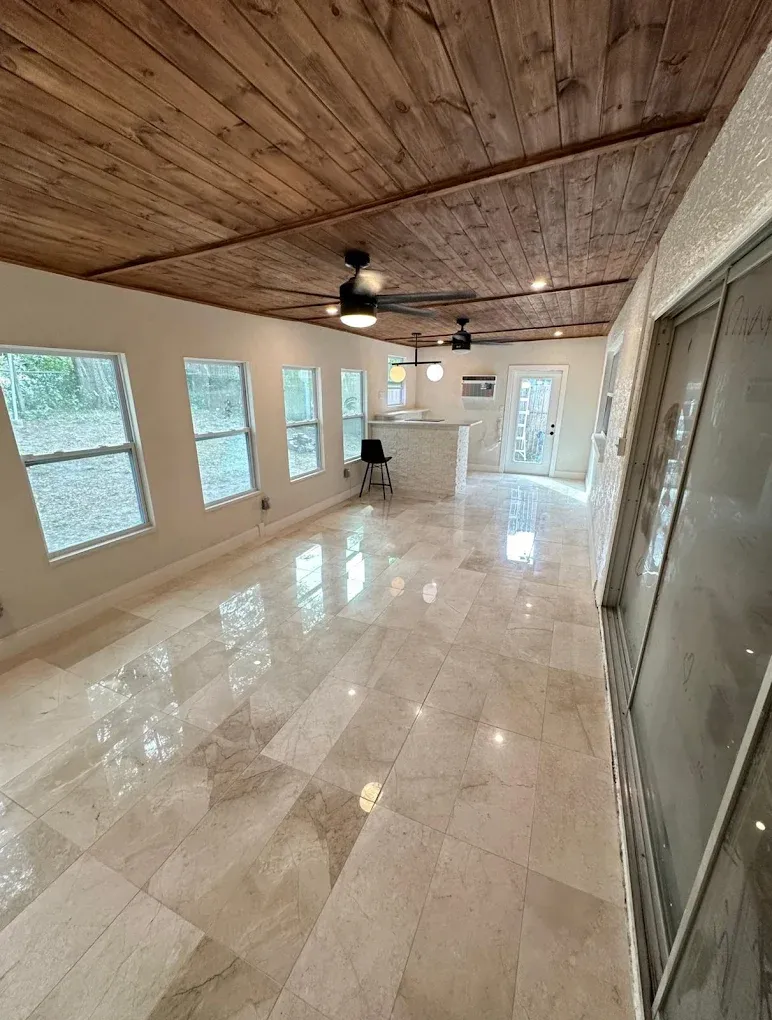
For example, matte finishes often create softer reflections, while glossy materials amplify brightness.
When planning broader renovations, it's helpful to consider how lighting works alongside other interior updates. As explained in this guide on vinyl plank flooring dade city fl, coordinating finishes throughout a remodeling project helps create a more balanced and cohesive appearance.
Thinking about these elements together usually produces a more comfortable environment than making isolated design decisions.
Smart Outdoor Lighting Matters Too
Indoor automation often receives the most attention, but exterior lighting provides important practical benefits.
Smart outdoor fixtures can automatically respond to sunset, motion detection, or scheduled routines.
Popular locations include:
- Front entrances
- Walkways
- Driveways
- Patios
- Garden paths
Besides convenience, properly planned outdoor lighting improves visibility without excessive brightness.
The best installations guide visitors naturally rather than flooding every corner with light.
Keep the System Simple
Technology should simplify daily living—not complicate it.
Avoid installing more automation than your household will realistically use.
A reliable system with several well-designed routines usually delivers a better experience than one packed with dozens of rarely used features.
Choose controls that every family member can understand. Manual switches, mobile apps, voice assistants, and automation should all work together without confusion.
When technology quietly supports everyday life, homeowners tend to appreciate it far more over the long term.
Final Thoughts
Smart lighting installation is about much more than adding connected bulbs or voice controls. When planned thoughtfully, it improves comfort, convenience, safety, and the overall experience of living in a home.