
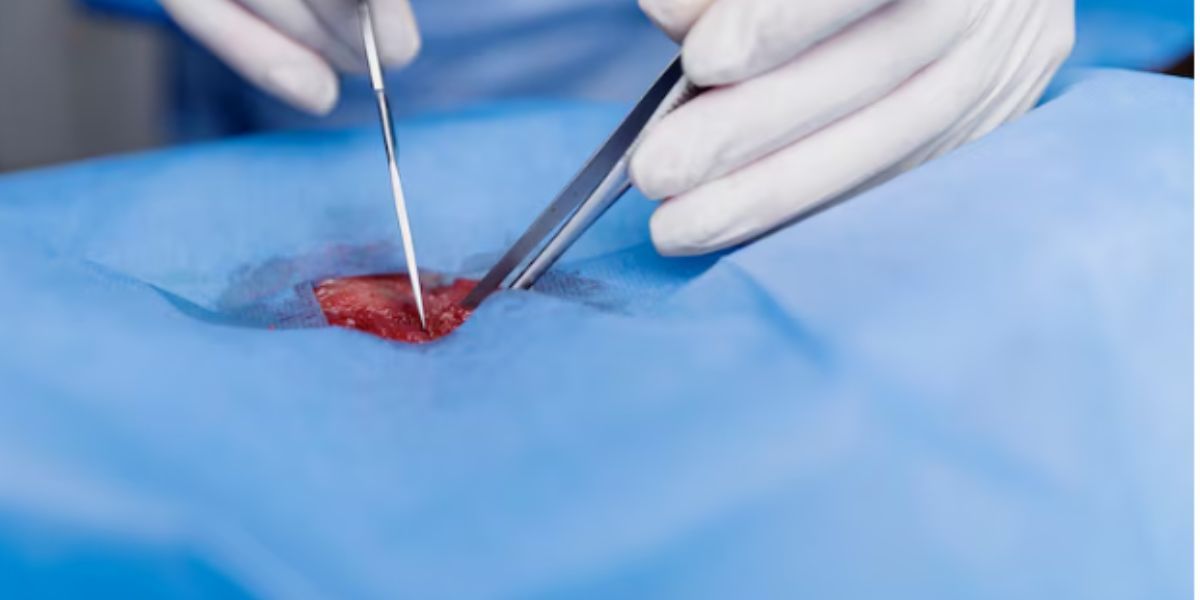
Circumcision, the surgical treatment of the foreskin covering the penis head, has been practised for thousands of years across cultures for medical, religious, and personal reasons. Today, it remains one of the most common surgical procedures worldwide, with millions performed annually. In modern medicine, the focus has shifted toward safety, precision, and patient comfort.
Advances in techniques and anesthesia have transformed what was once a rudimentary process into a highly controlled intervention that minimises risks and promotes quick recovery.
For men considering circumcision, understanding the procedure's steps, safety measures, and recovery expectations is crucial. Whether addressing conditions like phimosis, recurrent infections, or simply seeking improved hygiene and sexual health, safe circumcision requires expertise from qualified urologists.
Clinics equipped with state-of-the-art tools and experienced specialists ensure outcomes that prioritise health and well-being. This guide explores how circumcision is performed safely, highlighting best practices and innovations that make it a reliable option for men's health.
Why Safety Matters in Circumcision
Safety begins with patient selection and thorough preparation. Not every man needs a circumcision; medical professionals first evaluate if it's appropriate. Common indications include tight foreskin (phimosis), balanitis (inflammation of the glans), urinary tract infections, or penile cancer prevention in high-risk cases. AAs per the the World Health Organisation (WHO), circumcision reduces HIV transmission risk by up to 60% in heterosexual men, underscoring its public health value when done correctly.
Pre-procedure assessments are non-negotiable. A qualified urologist conducts a detailed physical exam, reviews medical history, and orders tests like blood work or STI screenings to rule out contraindications such as bleeding disorders or active infections. Patients receive clear counselling on risks, including bleeding (1-2% incidence), infection (0.5-1%), or rare complications like excessive skin removal. Humane care shines here: clinics emphasise informed consent, addressing anxieties with empathy and realistic expectations.
Modern Techniques for Precise Circumcision
Contemporary circumcision employs advanced methods tailored to individual anatomy and preferences. Traditional freehand excision, where the surgeon manually cuts and sutures the foreskin, has evolved into refined options like the stapler and electric blade techniques. These minimise tissue trauma, reduce operating time, and enhance cosmetic results.
- Stapler Circumcision: This innovative approach uses a disposable stapling device, similar to those in gastrointestinal surgery. The surgeon marks the foreskin excision line, inserts the device, and fires staples that simultaneously cut and seal the tissue. Benefits include less bleeding, shorter procedure time (15-20 minutes), and no need for sutures, which lowers infection risk. Studies in the Journal of Urology show stapler methods achieve 98% patient satisfaction with minimal scarring.
- Electric Blade (Laser-Assisted) Circumcision: An electric or laser blade provides clean, precise cuts with cauterisation to control bleeding instantly. Ideal for adults, it reduces post-operative pain and swelling. The technique involves local anesthesia, foreskin retraction, circumferential incision, and hemostasis. Recovery is faster, often allowing return to work in 3-5 days.
Both methods outperform older clamp techniques like Gomco or Plastibell, which carry higher risks of uneven results. At specialised facilities, such as those offering circumcision clinic Bangkok services, these procedures are performed under magnification for accuracy, ensuring the glans is fully exposed without compromising penile length or sensitivity.
Step-by-Step: Performing a Safe Circumcision Procedure
A safe circumcision follows a structured protocol, typically as an outpatient procedure under local anesthesia.
- Preparation and Anesthesia: The patient arrives fasted if sedation is used. The genital area is shaved, cleaned with antiseptic (e.g., chlorhexidine), and draped sterilely. Local anesthesia, like lidocaine 1-2% injected at the base of the penis, numbs the area within minutes. Many clinics offer mild sedation for comfort.
- Foreskin Mobilisation: The surgeon gently separates the foreskin from the glans using a probe, avoiding forceful retraction that could tear tissue.
- Marking and Excision: A dorsal slit is made if needed, followed by marking the excision line 1-2 cm proximal to the corona (glans ridge). Excess foreskin is removed using the chosen tool, a stapler for speed or an electric blade for precision.
- Hemostasis and Closure: Bleeding vessels are cauterised. For non-stapler methods, absorbable sutures close the edges. The site is dressed with petroleum gauze.
- Post-Procedure Check: Vital signs are monitored for 1-2 hours before discharge with pain meds, antibiotics, and hygiene instructions.
The entire process takes 20-45 minutes, with complication rates under 2% in expert hands, per American Urological Association data.
Ensuring Safety Through Expertise and Technology
Expertise is the cornerstone of safety. Board-certified urologists, trained in microsurgery and andrology, perform these procedures. Facilities adhere to international standards like those from the Joint Commission International (JCI), featuring sterile environments, emergency protocols, and follow-up care.
Technology plays a key role. High-definition cameras and shockwave therapy adjuncts aid healing. At Menness Clinic, specialists like Dr Dear Nuttaphon Luchaichana, M.D., a dedicated urologist, combine these tools with a patient-centred philosophy. Their Bangkok location offers discreet, world-class care, including comprehensive men's health checkups alongside circumcision.
Humane approaches extend to privacy: private recovery rooms, same-day discharge, and telehealth follow-ups reduce stress. Patients report high satisfaction when clinics prioritise comfort, as evidenced by testimonials on platforms like RealSelf.
Recovery and Long-Term Benefits
Recovery is straightforward with proper guidance. Expect mild swelling and discomfort for 7-10 days, managed with ice packs, ibuprofen, and loose clothing. Avoid sexual activity for 4-6 weeks. Most resume normal activities in 48 hours.
Long-term benefits include easier hygiene, reduced UTI risk (by 90%, per CDC), and lower balanitis incidence. Sexual function remains intact or improves due to increased glans sensitivity over time.
Choosing the Right Clinic for Your Procedure
Selecting a reputable provider is vital. Look for clinics with proven specialists, modern techniques, and transparent outcomes. In Thailand, a hub for medical tourism, Menness Clinic stands out for its focus on urology and sexual health, offering safe circumcision alongside treatments for erectile dysfunction, penile enhancement, and more. Their team ensures personalised care, making the journey supportive and effective.
Circumcision, when performed safely, empowers men with better health and confidence. Consult a specialist to determine if it's right for you.