
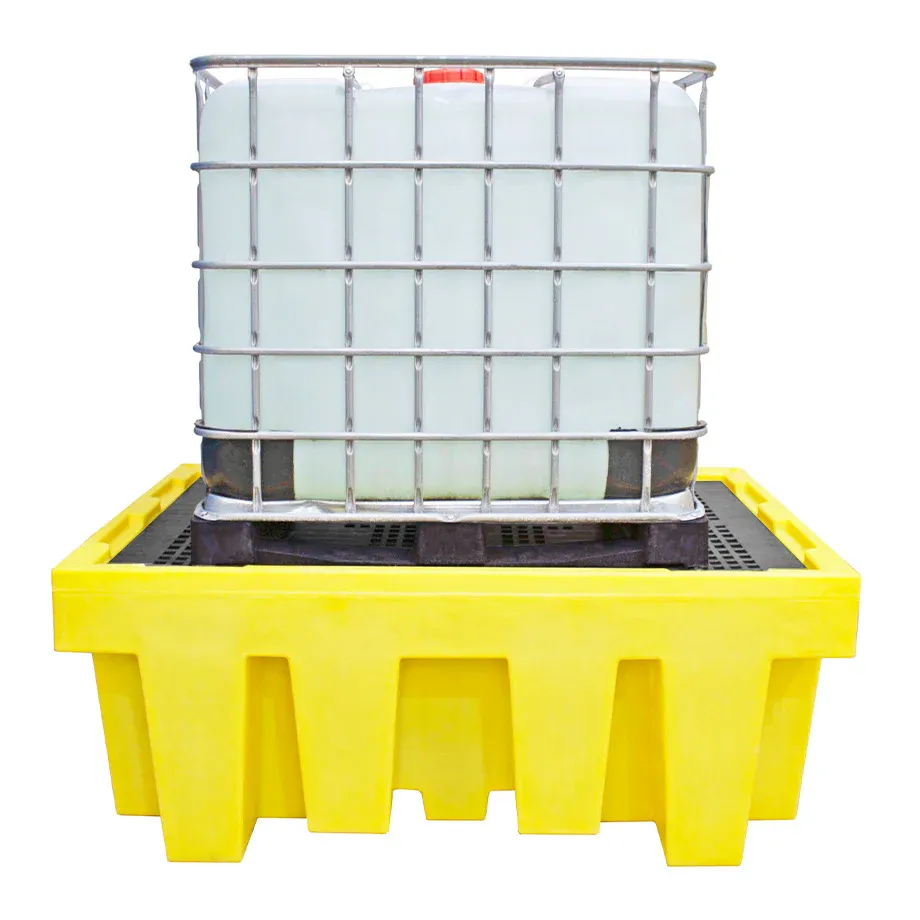
Spill Containment:
Spills rarely happen at a convenient time. They occur during loading operations, fuel transfers, machinery breakdowns, or routine maintenance. While most workplaces invest in spill kits, many overlook an important detail: the refill contents must match the site's specific risks. A generic refill may not provide adequate protection when seconds matter. Customising spill kit refills according to industry needs is what turns a basic compliance measure into an effective emergency response system.
Why Standard Spill Kit Refills Are Not Always Enough?
A standard spill kit usually contains absorbent pads, socks, disposal bags, and protective gloves. While this setup can handle minor leaks, it may not be suitable for every environment. Different industries handle different liquids, flow rates, and surface conditions.
For example, a warehouse storing packaged goods faces very different spill risks compared to a marine fueling station or a chemical processing plant. Using the wrong type of absorbent material can slow down response time or even worsen contamination. Oil-only absorbents are designed to repel water and soak up hydrocarbons, while universal absorbents handle a broader range of liquids. Chemical absorbents are specifically engineered for hazardous and corrosive substances.
Customisation ensures that Spill Kits Refills components align with the actual hazards present, not just the minimum legal requirement.
Understanding Industry-Specific Spill Risks
Each sector has its own spill profile, influenced by materials handled, storage systems, and environmental exposure.
In construction:
In construction environments, hydraulic oil leaks from machinery are common. Heavy rainfall can carry residues across open ground. Here, durable absorbent socks and high-capacity pads are essential for outdoor containment. Spill kit refills for construction sites should prioritise oil-specific absorbents and weather-resistant materials.
Manufacturing facilities:
Manufacturing facilities may handle coolants, lubricants, solvents, and cleaning chemicals. In these settings, universal absorbents offer versatility, but certain departments might require chemical-grade absorbents for aggressive liquids. A tailored refill approach allows businesses to distribute specialised materials where needed rather than relying on a single kit type for the entire site.
Marine and port operations:
Marine and port operations present unique challenges. Fuel spills can quickly reach water systems, increasing environmental risk. Oil-only absorbents that float and repel water are crucial in these environments. Refills must also include drain covers and containment booms suitable for dockside use.
Healthcare and laboratory:
Healthcare and laboratory facilities deal with chemical agents that may require specific neutralising absorbents. In such settings, refill kits must comply with safety guidelines for hazardous material response, ensuring staff can act quickly without increasing exposure risk.
Matching Absorbent Types to Liquid Hazards
The effectiveness of a spill response depends heavily on selecting the right absorbent material.
Oil-only absorbents:
Oil-only absorbents are ideal for fuel stations, transport depots, and marine operations. They selectively absorb hydrocarbons while leaving water behind, making them perfect for outdoor and wet conditions.
Universal absorbents:
Universal absorbents are suited for facilities handling mixed liquids, including water-based fluids and mild chemicals. They provide flexibility but may not offer sufficient resistance for highly corrosive substances.
Chemical absorbents:
Chemical absorbents, often colour-coded for easy identification, are designed to handle aggressive acids and hazardous liquids safely. Using standard pads in these situations can result in material breakdown or unsafe reactions.
Considering Volume and Frequency of Spills
Not all spills are small. Industrial environments with high-capacity storage tanks or heavy equipment may face large-volume incidents. In these cases, refill kits should include additional absorbent socks, larger pads, and disposal bags to manage significant leaks effectively.
High-traffic sites that experience frequent minor drips should maintain larger stock levels of absorbents to prevent shortages. Refill planning must consider both emergency scenarios and routine maintenance leaks.
A risk assessment can help determine the average spill size and frequency. From there, managers can customise refill quantities accordingly, ensuring preparedness without overstocking unnecessary materials.
Training and Accessibility as Part of Customisation
Customisation goes beyond materials alone. Refills should be organised to make them easy to deploy. Clearly labelled absorbents help workers quickly identify the correct product during an emergency.
Training plays a vital role in ensuring that staff understand the differences between oil-only, universal, and chemical absorbents. A well-stocked kit is only effective if employees know how and when to use it.
Periodic drills and reviews allow businesses to assess whether their customised refill strategy is working or needs adjustment.
Building a Responsive Spill Management Strategy
Emergency spill containment is not a one-size-fits-all solution. Industries vary in their operational risks, environmental exposure, and compliance obligations. Customising spill kit refills according to these factors strengthens response capability and reduces potential damage.
Whether operating in construction, manufacturing, marine services, or healthcare, a tailored refill approach ensures that spill kits are more than just a safety accessory—they become an essential part of risk management.
Investing time in evaluating Spill Containment hazards and adjusting refill contents accordingly creates a more resilient workplace. In emergency situations, preparedness makes the difference between a contained incident and a costly environmental issue.